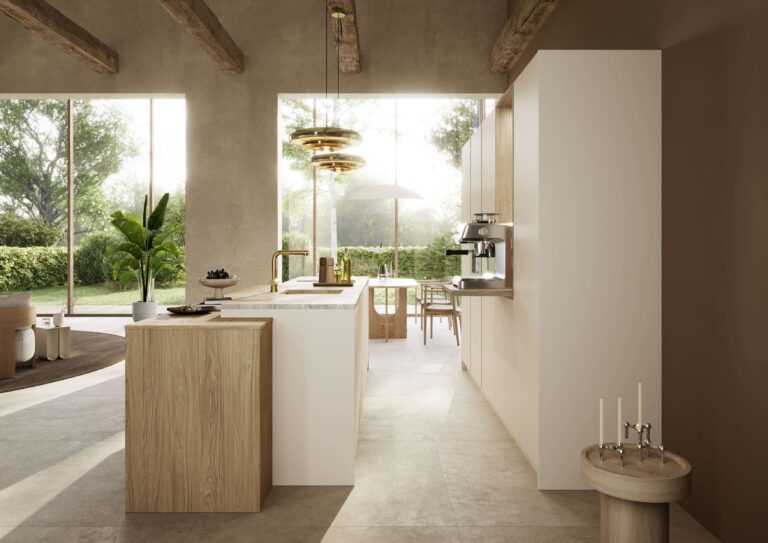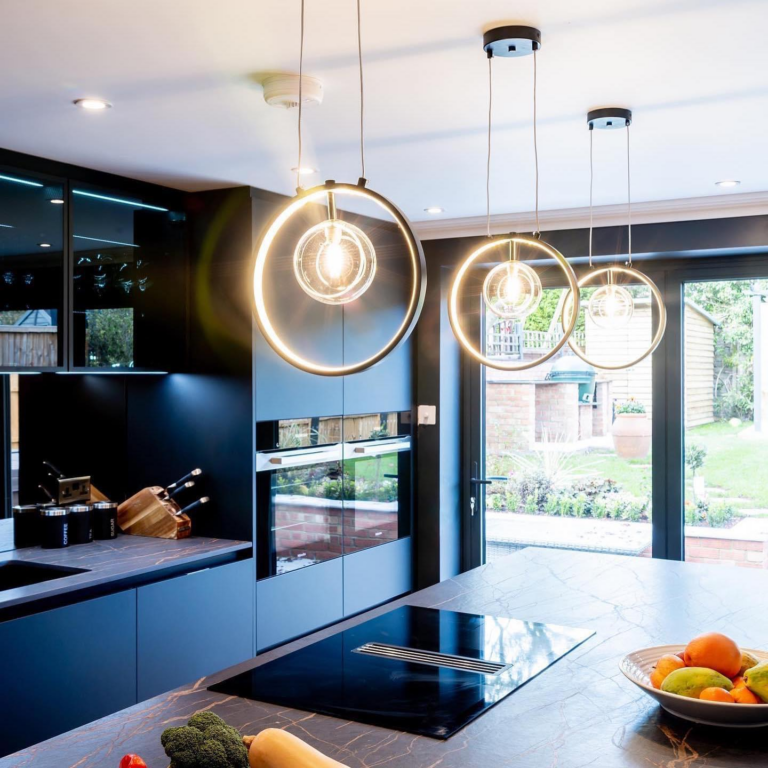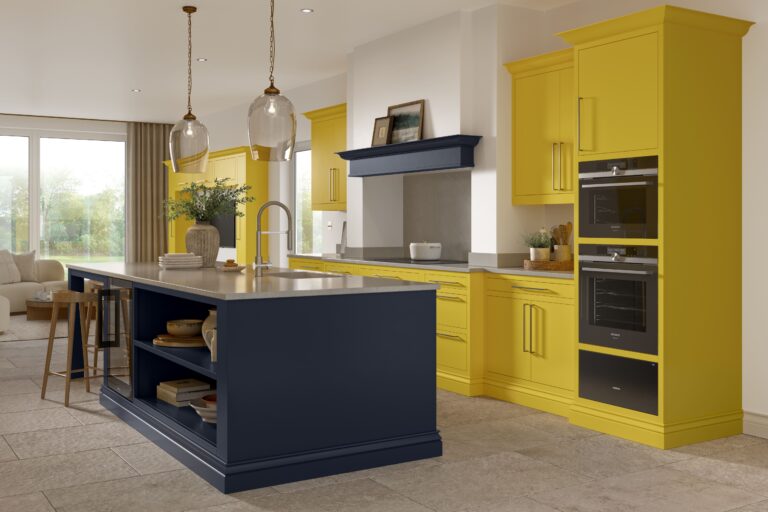
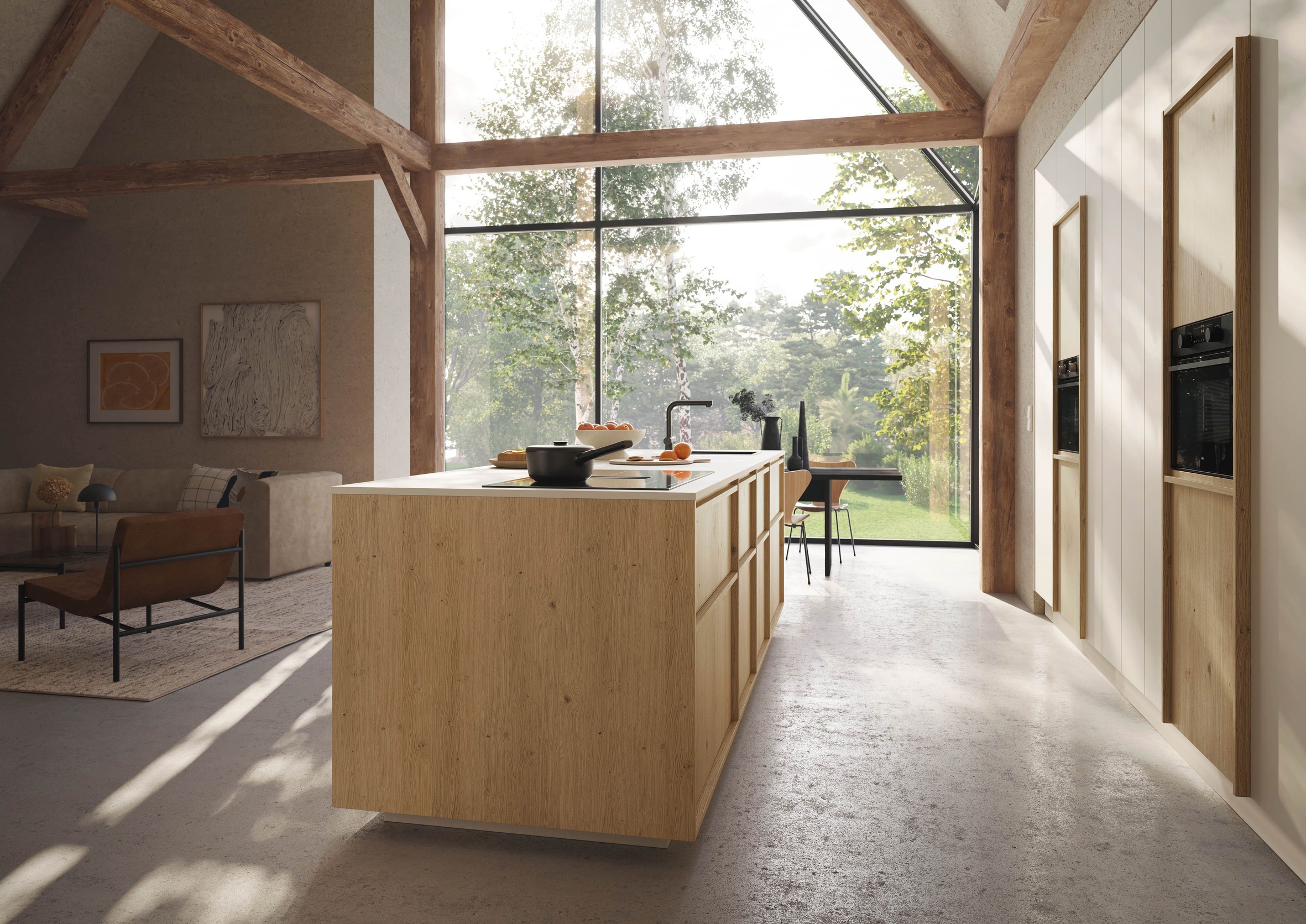
A kitchen extension is one of the most transformative projects a West London homeowner can undertake. Done well, it takes a dark, compartmentalised Victorian or Edwardian rear room and replaces it with a generous, light-filled space that becomes the genuine heart of the home. It adds significant value, changes how the whole ground floor functions, and creates an environment for a kitchen that would simply not be possible within the original footprint.
At Zen Küchen, we work with homeowners across Richmond, Fulham, Chelsea, Twickenham, Chiswick and the wider West London area who are planning extensions alongside new kitchens. The kitchen and the extension need to be planned together from the very beginning, decisions about one have direct consequences for the other. This guide explains what you need to think about, and when.
Start With the Kitchen, Not Just the Architecture
The most common mistake in combined extension and kitchen projects is treating the architecture and the kitchen as two separate commissions. The architect designs the space, and then a kitchen designer is brought in to fill it. This sequence frequently produces compromises that could easily have been avoided: a structural column positioned exactly where an island would naturally sit, a roof light that creates glare over the main preparation area, sockets and services positioned without reference to the kitchen layout.
Bringing your kitchen designer into the conversation at the architectural stage, or at the very latest, when planning permission is being sought, allows the space to be designed around how it will actually be used. The position of glazing, the route of services, the ceiling height over the cooking zone, the treatment of the connection between old and new building fabric: all of these are better resolved with kitchen expertise in the room from the beginning.
At Zen Küchen, we are happy to work alongside your architect and contractor from the earliest stages. Our team’s experience of kitchen design and installation means we can contribute meaningfully to discussions about the architecture of the space, not just its decoration. This is particularly relevant when considering kitchen layout in relation to the new footprint.
Planning Permission and Permitted Development
What You Can and Cannot Do Without Consent
In West London, single-storey rear extensions up to a certain depth can often be built under Permitted Development rights without requiring a full planning application, subject to conditions and the specific rules of your local borough. However, many properties in Richmond, Kensington and Chelsea, and other parts of West London are in conservation areas or are listed, which restricts Permitted Development rights significantly.
Even where Permitted Development applies, a prior approval application may be needed for larger extensions. It is always worth checking with your local planning authority before committing to a design direction, and a good architect will be able to advise you on what is likely to be achievable in your specific location. The planning landscape in West London is well-established and the rules are generally predictable, understanding them early saves significant time and cost.
Designing the Space for the Kitchen You Want
Letting the Kitchen Drive the Architecture
Once the parameters of the extension are established, the kitchen layout should drive many of the remaining architectural decisions. The position of the island, for example, determines the ideal location for a roof light above it. The cooking zone should ideally be positioned close to an external wall to minimise the run of the extract duct. The connection between the kitchen and the garden is often best placed adjacent to or integrated with the dining zone rather than the cooking area.
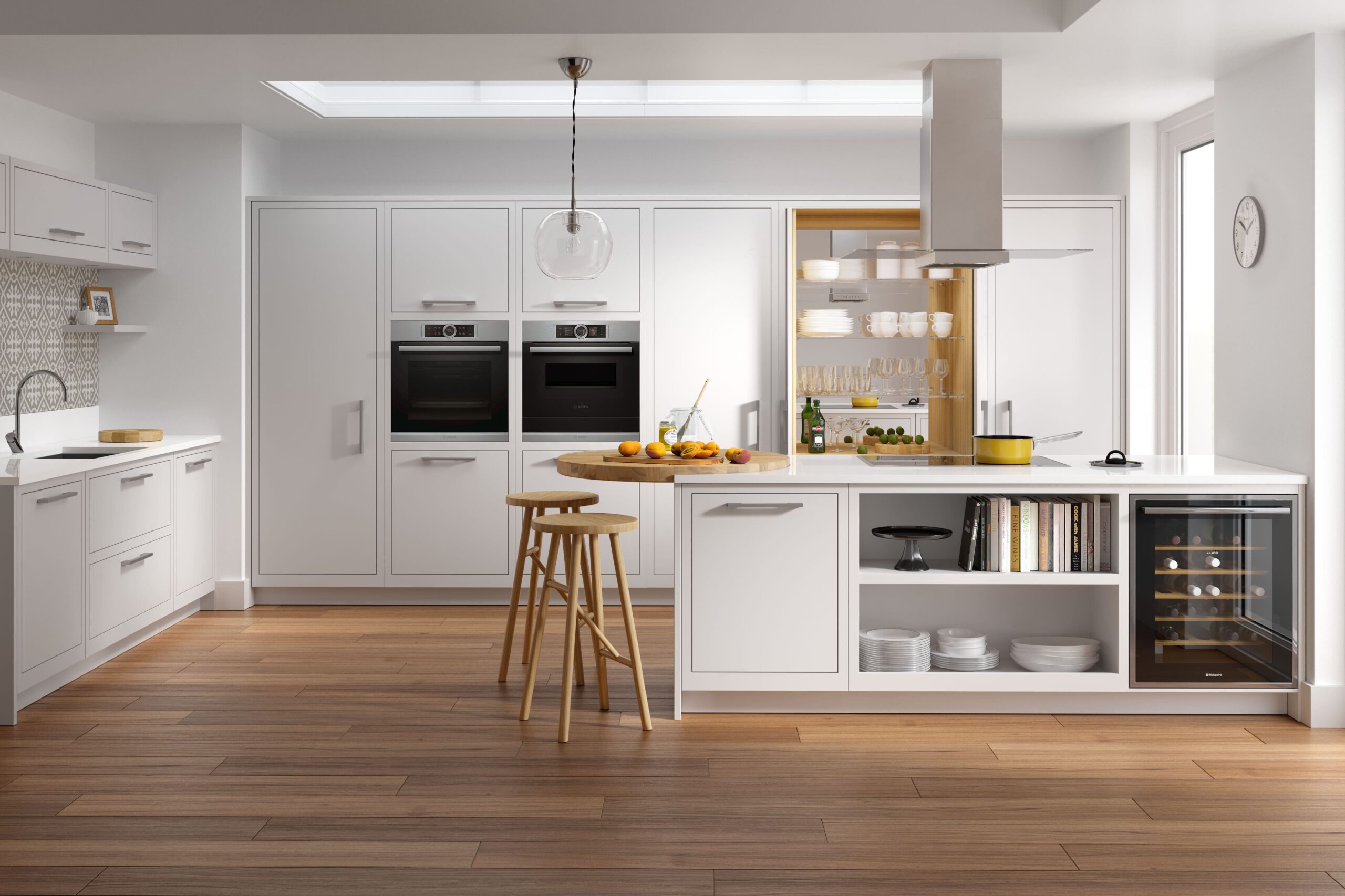
In open-plan kitchen extensions, zoning is critical. The transition from kitchen to dining to living area needs to feel natural and considered rather than arbitrary. A kitchen island is one of the most effective zoning tools available, it defines the kitchen without closing it off, provides additional storage and worktop space, and creates a natural social gathering point between the cooking and living zones.
The style of kitchen, whether classic or modern in character, should also be resolved early, as this informs decisions about material finishes, ceiling treatments and the way the new space connects architecturally to the existing house.
Services, Structural Work and Sequencing
Getting the Build Sequence Right
A kitchen extension project involves multiple trades working in sequence, and the order in which they work matters enormously. Structural work, waterproofing and external finishes come first. Then first-fix electrical and plumbing work, running cables and pipes to the positions agreed with the kitchen designer. Then plastering, screeding and flooring. Then the kitchen installation. Then second-fix electrical and plumbing, connecting the kitchen appliances, sink and lighting. Then decorating and snagging.
Disruption to this sequence, particularly first-fix services that do not account for the final kitchen layout, creates problems that range from minor inconveniences to significant remedial work. A clearly drawn services drawing, produced by the kitchen designer and shared with the contractor before first-fix begins, eliminates most of these issues. This is standard practice in how we approach all our installation projects at Zen Küchen.
Choosing the Right Kitchen for the New Space
A well-designed extension creates an opportunity to install a kitchen that would not have been possible in the original room. More space, better light and a more rational layout open up options: a larger island, a dedicated larder, a separate utility area, a wine cooler integrated into the island end panel – that transform not just how the kitchen looks but how it functions every day.
The worktop choice also benefits from the extended canvas. A continuous stone surface running the full length of the kitchen, wrapping around an island and extending up the wall as a splashback, is a genuinely striking design element that is only possible when the room is generous enough to support it. Our guide to choosing the right kitchen worktop for your Richmond home is a useful starting point for this decision.
To discuss your extension and kitchen project, visit our Richmond showroom, browse our completed projects, or get in touch directly. Email info@zenkuchen.co.uk, call 020 8332 9166, or book a showroom appointment.
Frequently Asked Questions
Do I need planning permission for a kitchen extension in West London?
It depends on the size, location and nature of the extension, and on whether your property is in a conservation area or is listed. Single-storey rear extensions within certain dimensions can often proceed under Permitted Development rights, but this varies by borough and property type. In conservation areas, which are common across Richmond and other parts of West London, the rules are more restrictive. Always check with your local planning authority or a qualified architect before committing to a design.
How much does a kitchen extension cost in West London?
Build costs for a single-storey rear extension in West London typically range from £2,500 to £4,000 per square metre for a quality finish, though this varies significantly depending on the complexity of the structure, the specification of materials and glazing, and the specific contractor. This is before the cost of the kitchen itself. It is important to budget for the full project: architecture, structure, services, kitchen, flooring and decorating – from the outset to avoid being surprised at any stage.
How long does a kitchen extension project take?
From the start of the architectural design process to completed installation, a kitchen extension project in West London typically takes between six months and a year. Planning permission (where required) adds eight to twelve weeks to the programme. The construction phase for a single-storey extension is typically twelve to sixteen weeks, and the kitchen installation follows once the building work is watertight and first-fix services are complete.
Should I choose my kitchen before or after planning permission is granted?
We recommend beginning the kitchen design conversation in parallel with the architectural process, well before planning permission is granted. The kitchen layout should inform architectural decisions, the position of roof lights, services routes, structural elements – that are fixed once planning is approved and construction begins. Starting the kitchen design only after planning is granted often means missing the opportunity to optimise the space properly.
Can Zen Küchen work with my architect on the extension design?
Absolutely. We work regularly alongside architects and contractors on combined extension and kitchen projects across West London. Our team is experienced in contributing to the architectural and services planning process, ensuring the kitchen layout is fully integrated into the design of the new space from the outset rather than fitted in afterwards. Book a consultation and we can discuss how best to coordinate with your project team.