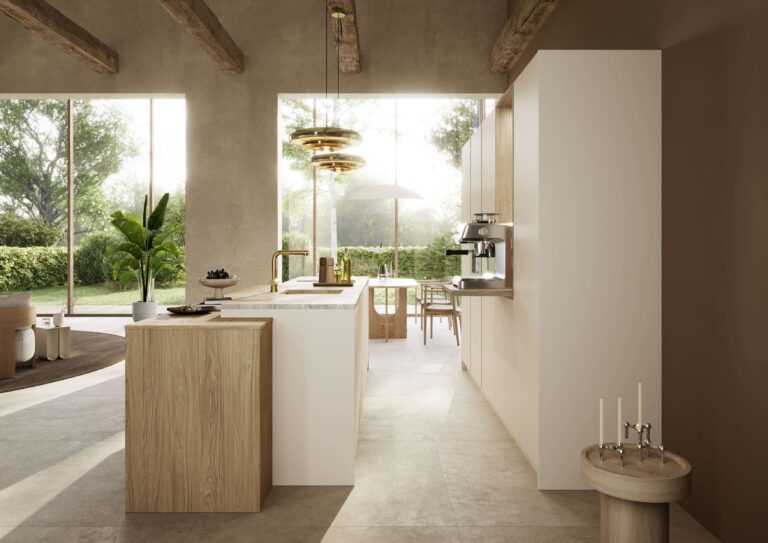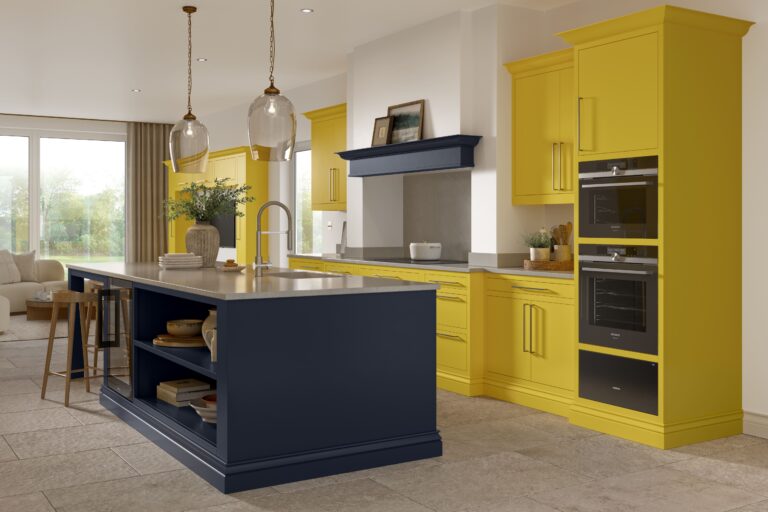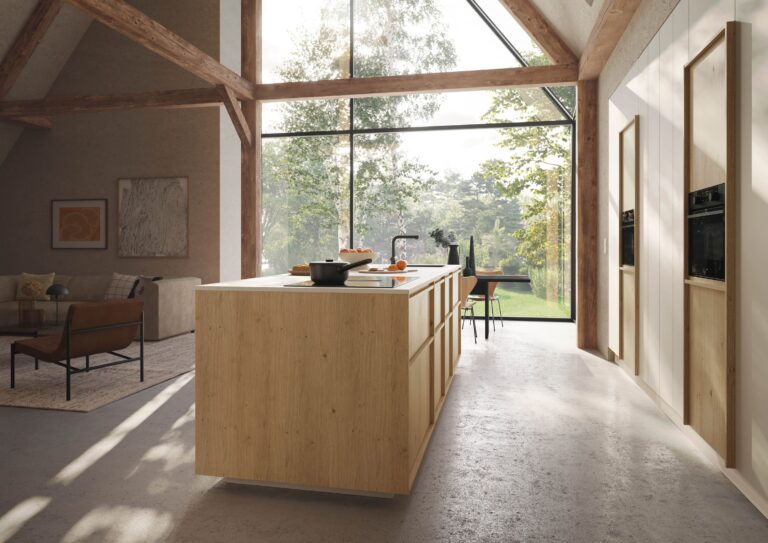
Lighting is one of the most transformative elements in kitchen design, and one of the most consistently underestimated. Homeowners spend months deliberating over cabinet colours and worktop materials, then make lighting decisions in an afternoon – often after the design is already fixed and the options have narrowed considerably. The result is kitchens that look beautiful in the showroom or on a mood board but feel flat, harsh or poorly lit in daily use.
At Zen Küchen, we plan lighting as an integral part of the kitchen design process, not an afterthought. This guide explains the different layers of kitchen lighting, how they work together, and how to make the right decisions for your home.
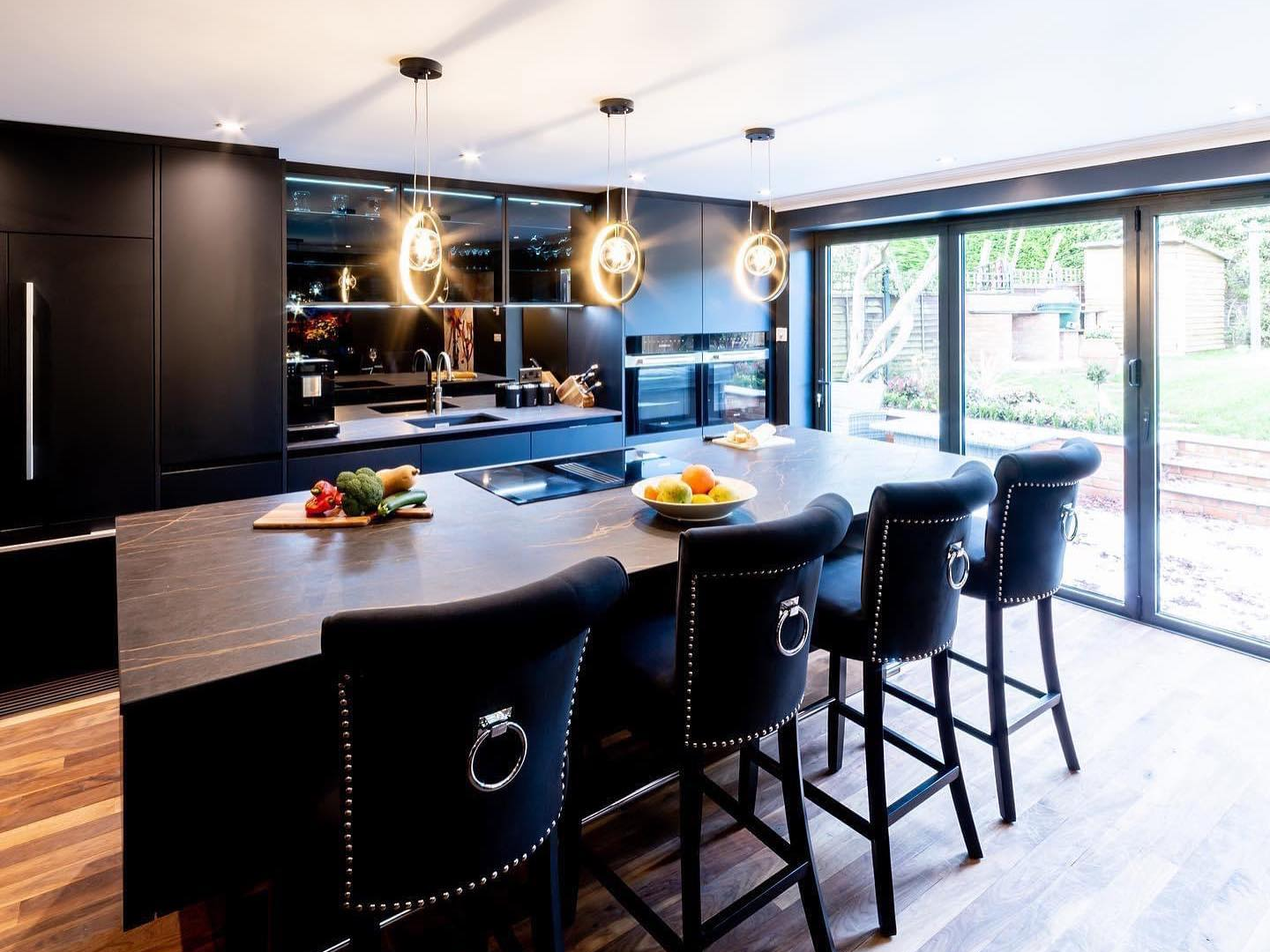
Why Kitchen Lighting Needs to Work in Layers
A kitchen serves multiple purposes throughout the day, and the lighting needs to support all of them. At seven in the morning you need clear, functional light to prepare breakfast. On a Sunday afternoon the kitchen might double as a workspace for the children. On a Friday evening it becomes the backdrop to entertaining, where the atmosphere matters as much as the practicality.
No single light source can do all of this well. The solution is layering: combining ambient lighting for general illumination, task lighting for specific work zones, and accent or decorative lighting for atmosphere. When these three layers are designed to work together, and crucially, to be controlled independently, the kitchen becomes a genuinely flexible space. This approach is a core part of how we think about kitchen design in 2026.
Ambient Lighting: Setting the Base
General Illumination for the Whole Room
Ambient lighting provides the overall level of illumination in the room. In most kitchens this comes from ceiling-mounted sources: recessed downlights, a central pendant or a combination of the two. The key consideration is even coverage, avoiding pools of bright light surrounded by relative darkness, which makes the room feel smaller and less comfortable.
Recessed downlights are the most common choice in contemporary kitchens. Positioned carefully in a grid that accounts for the cabinetry layout below, they provide consistent, unobtrusive ambient light that does not compete visually with the kitchen itself. The colour temperature matters significantly: warm white (2700K to 3000K) creates a welcoming, residential feel, while cooler temperatures (4000K and above) feel clinical and work better in professional environments than in homes.
For classic kitchens with higher ceilings and more decorative character, a pendant light or lantern above a dining table or kitchen island adds warmth and visual interest that recessed downlights alone cannot provide.
Task Lighting: Illuminating Where You Work
The Most Practical Investment in Kitchen Lighting
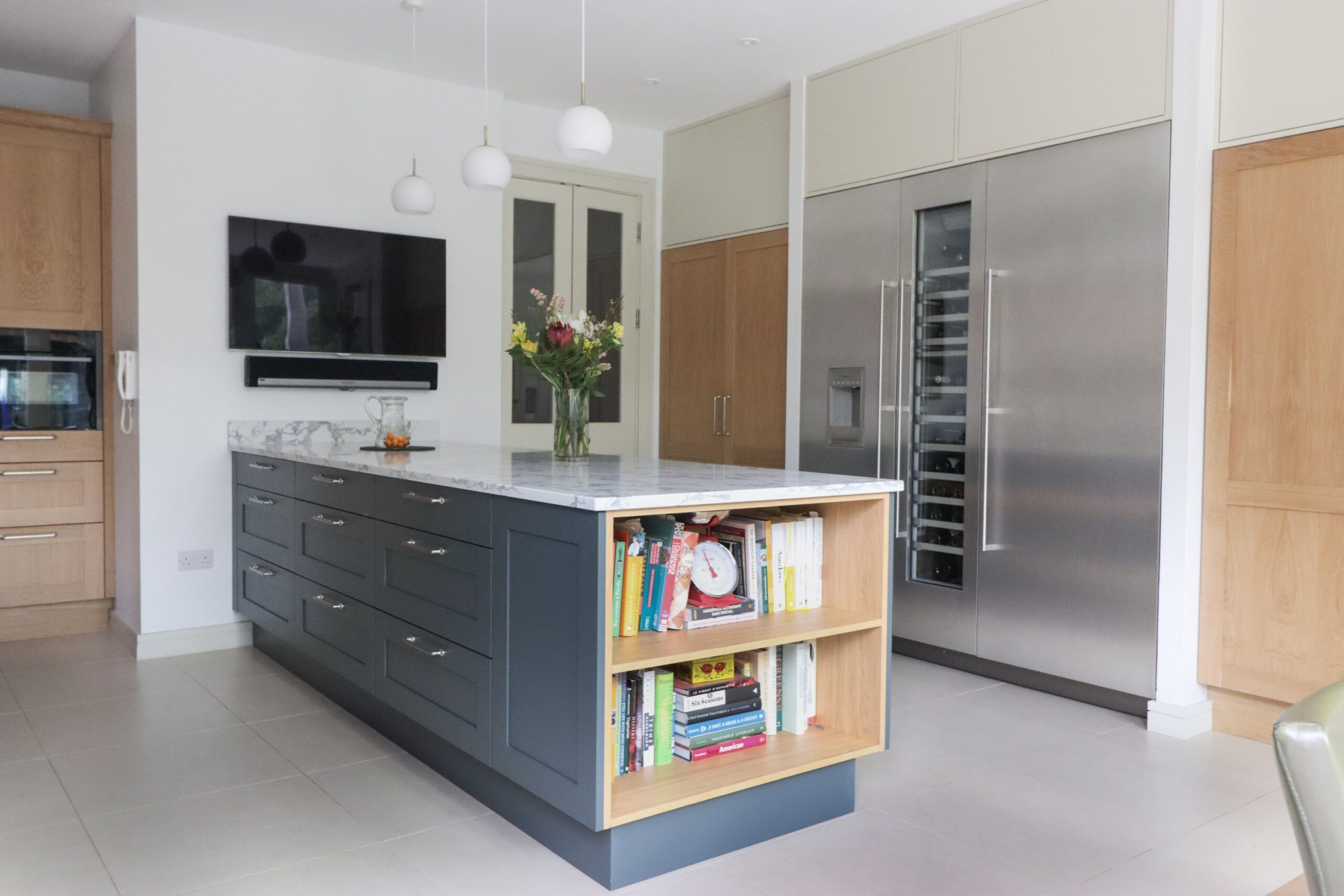
Task lighting is the most functionally important layer in any kitchen. It provides directed, shadow-free illumination precisely where you need it: at the worktop, above the hob, and in any other preparation zones. Without it, you are typically working in your own shadow, cast by the ambient light behind you — which is both impractical and surprisingly tiring.
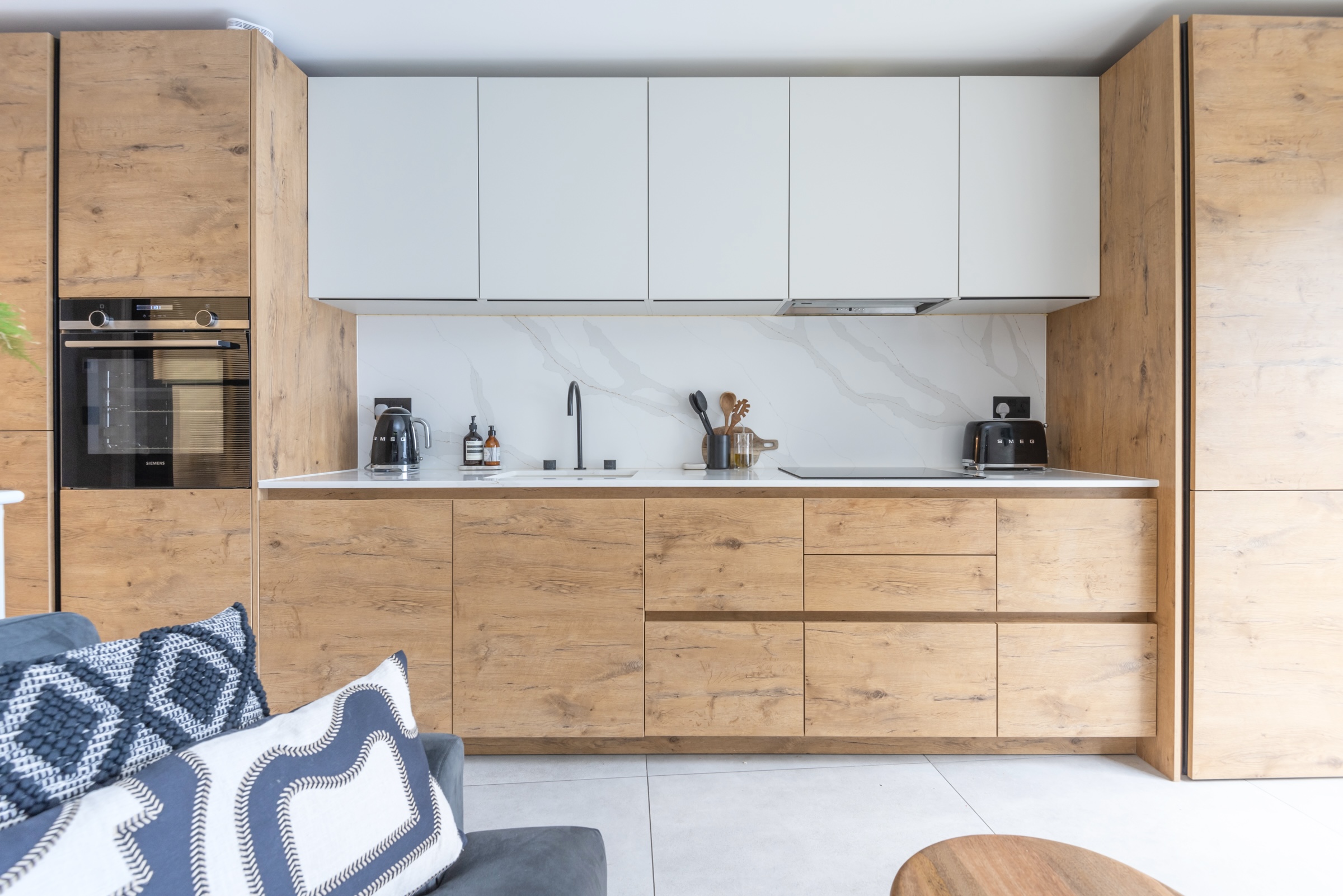
Under-cabinet LED strips are the most effective and versatile task lighting solution. Positioned towards the front edge of the wall units, they throw light directly onto the worktop surface with minimal shadows. Modern LED strips are slim enough to be completely invisible when the lights are off, and their warm white output matches most ambient lighting schemes.
The wiring for under-cabinet lighting needs to be planned during the kitchen design stage — it cannot easily be retrofitted without disruption. This is one of the reasons we include lighting planning as standard in every kitchen project we undertake, whether the kitchen is modern or classic in style.
Accent and Decorative Lighting: Creating Atmosphere
The Layer That Makes a Kitchen Feel Special
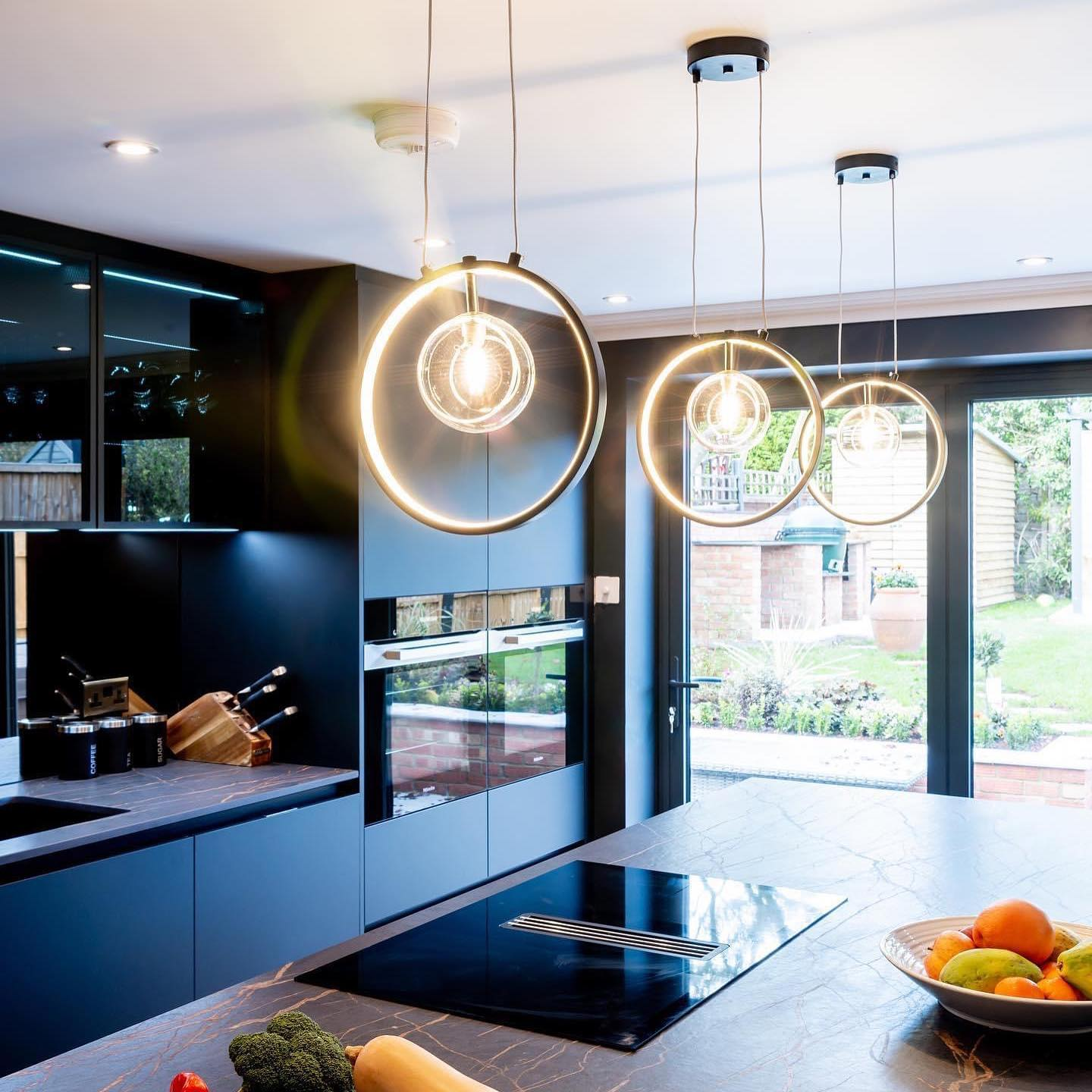
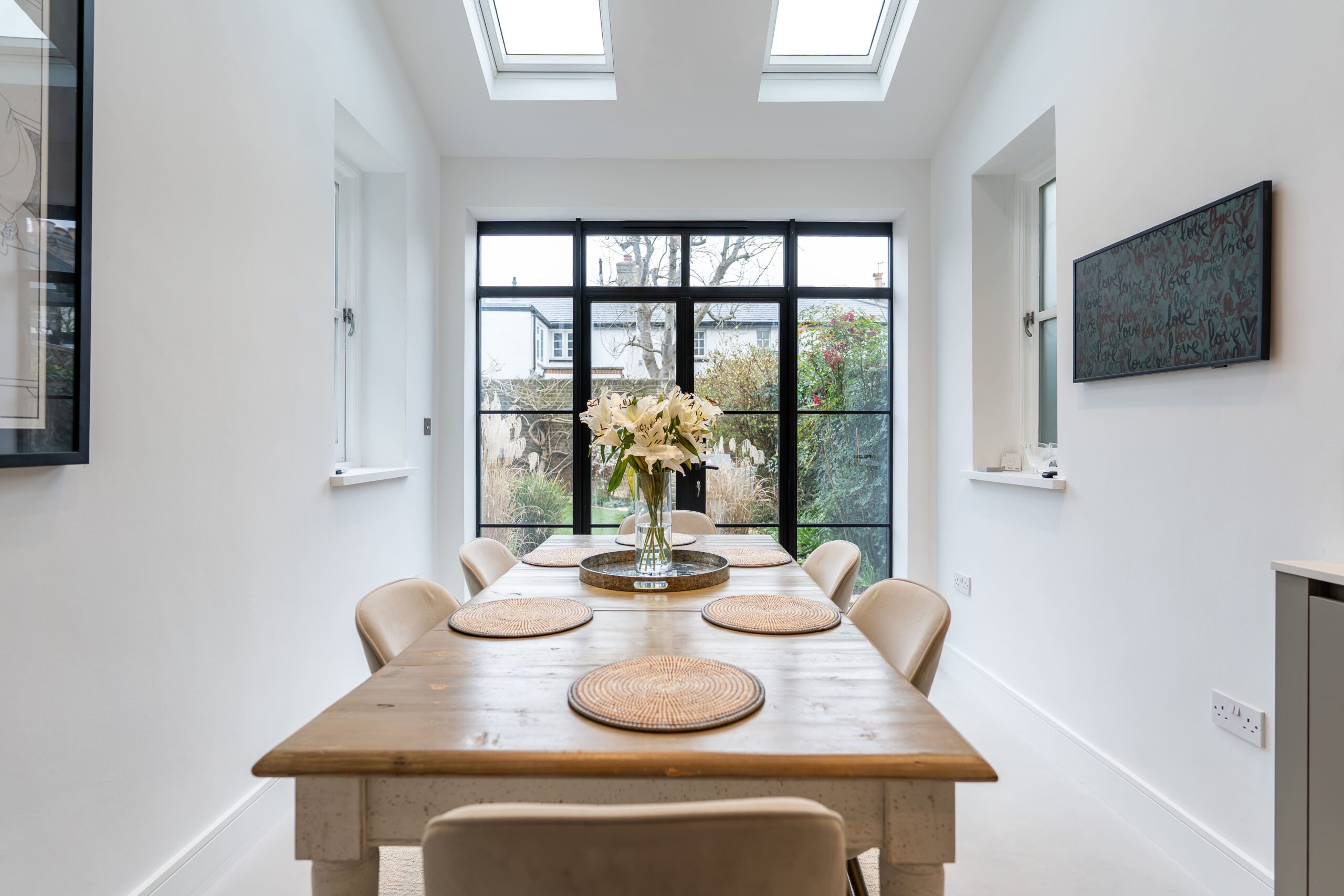
Accent and decorative lighting is the layer most associated with atmosphere and personality. It includes pendant lights above a kitchen island or dining table, LED strips inside glazed cabinets or open shelving, plinth lighting at floor level, and any lighting element whose primary purpose is visual rather than purely practical.
Pendant lights in particular have become a significant design statement in kitchen design. A well-chosen pendant above a kitchen island does two things simultaneously: it provides useful task lighting for the island worktop, and it anchors the island visually within the wider room. The scale, material and finish of the pendant should be chosen in relation to the kitchen as a whole, rather than selected independently.
Interior cabinet lighting, LEDs inside glazed-door wall units or open shelving, adds warmth and depth to a kitchen in the evenings, drawing the eye into the cabinetry and creating a layered, considered effect that a single overhead source simply cannot achieve.
Controls: Making the Most of Every Layer
The full benefit of a layered lighting scheme is only realised if the layers can be controlled independently. Separate circuits for ambient, task and accent lighting, each on its own dimmer where appropriate, allow the kitchen to shift from bright and functional to warm and atmospheric with minimal effort. Smart lighting systems take this further, allowing scenes to be programmed and recalled with a single touch.
This level of control needs to be planned into the electrical specification from the outset. It is a conversation to have with your kitchen designer and electrician at the very beginning of the project, not at the end. To discuss how we approach lighting design as part of a full kitchen project, book a showroom appointment or visit our Richmond showroom to see layered lighting in action.
To start your kitchen design journey, email info@zenkuchen.co.uk, call 020 8332 9166, or book a showroom appointment.
Frequently Asked Questions
What colour temperature is best for kitchen lighting?
For a residential kitchen, warm white in the range of 2700K to 3000K is generally the most flattering and comfortable choice. It creates a welcoming atmosphere that works well in the evenings and complements most cabinet colours and worktop materials. Cooler temperatures (4000K and above) are better suited to commercial kitchens or utility spaces where clinical brightness is the priority rather than atmosphere.
How many downlights do I need in a kitchen?
The number depends on the size of the room, the lumen output of the fittings you choose, and how the room is used. As a general principle, recessed downlights in a kitchen should be positioned to provide even coverage without creating shadows over the main work areas, this typically means accounting for the position of wall units and the island before finalising the grid. Your kitchen designer and electrician should plan this together.
Can kitchen lighting be added after the kitchen is installed?
Some elements can be added retrospectively, but the options become more limited and the process more disruptive after installation. Under-cabinet task lighting in particular is much easier to wire neatly during the build phase than afterwards. We always recommend agreeing the full lighting specification before the kitchen is installed so that all cabling is concealed cleanly within the cabinetry and ceiling.
Do pendant lights work above a kitchen island?
Yes, very effectively, both practically and aesthetically. A pendant or cluster of pendants above a kitchen island provides useful task lighting for the worktop surface while also anchoring the island as a design feature within the wider room. The height, scale and style of the pendants should be chosen in proportion to the island and the room, ideally as part of the overall kitchen design process rather than as a separate decision.
Should kitchen lighting be on dimmers?
Yes, where possible. Dimmers give you control over the atmosphere in your kitchen at different times of day and for different occasions, and they also extend the life of LED bulbs. Fitting dimmers to ambient and accent circuits as standard is a small additional cost at the installation stage that pays back consistently in the flexibility and comfort it provides. Task lighting under cabinets can also be dimmed, though it is often left at full brightness for practical use.