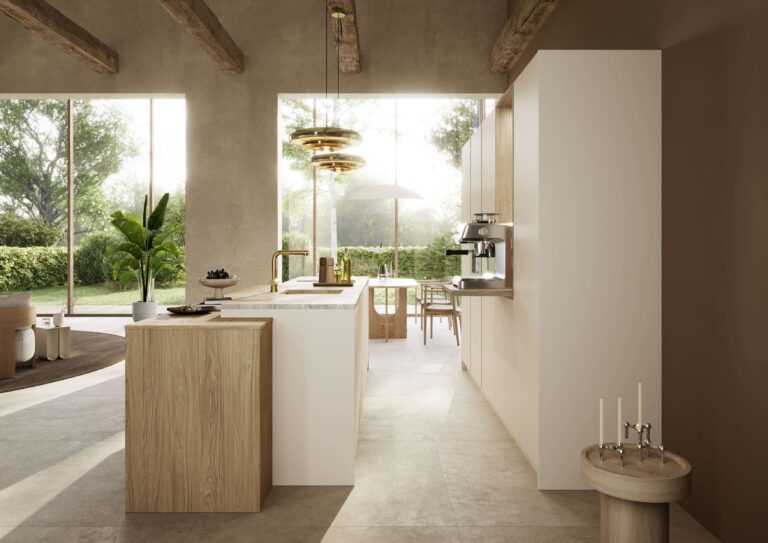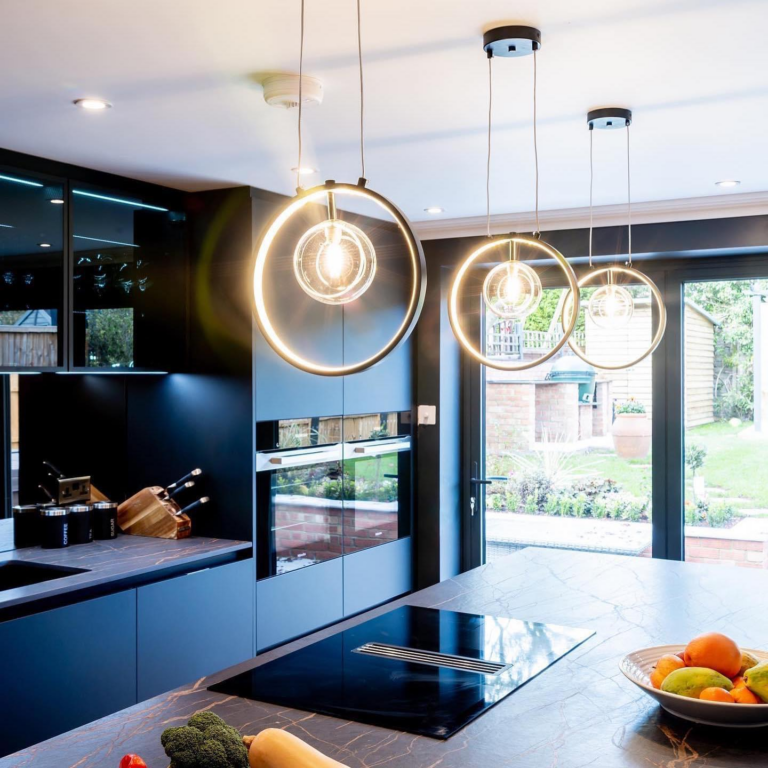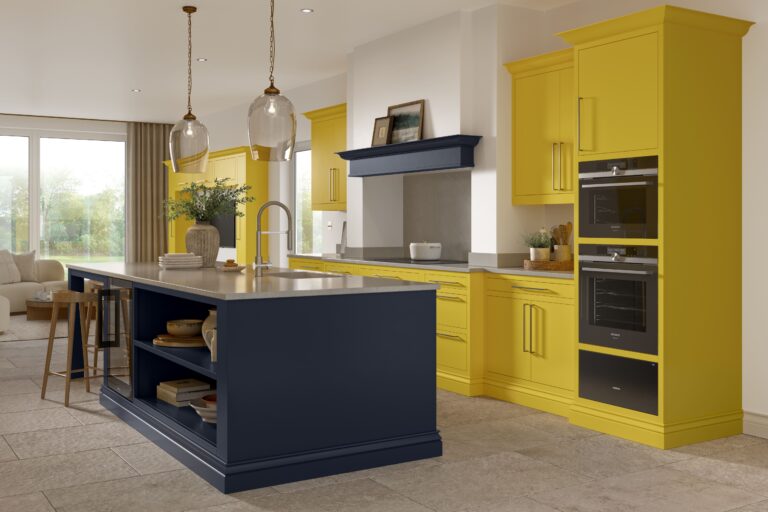
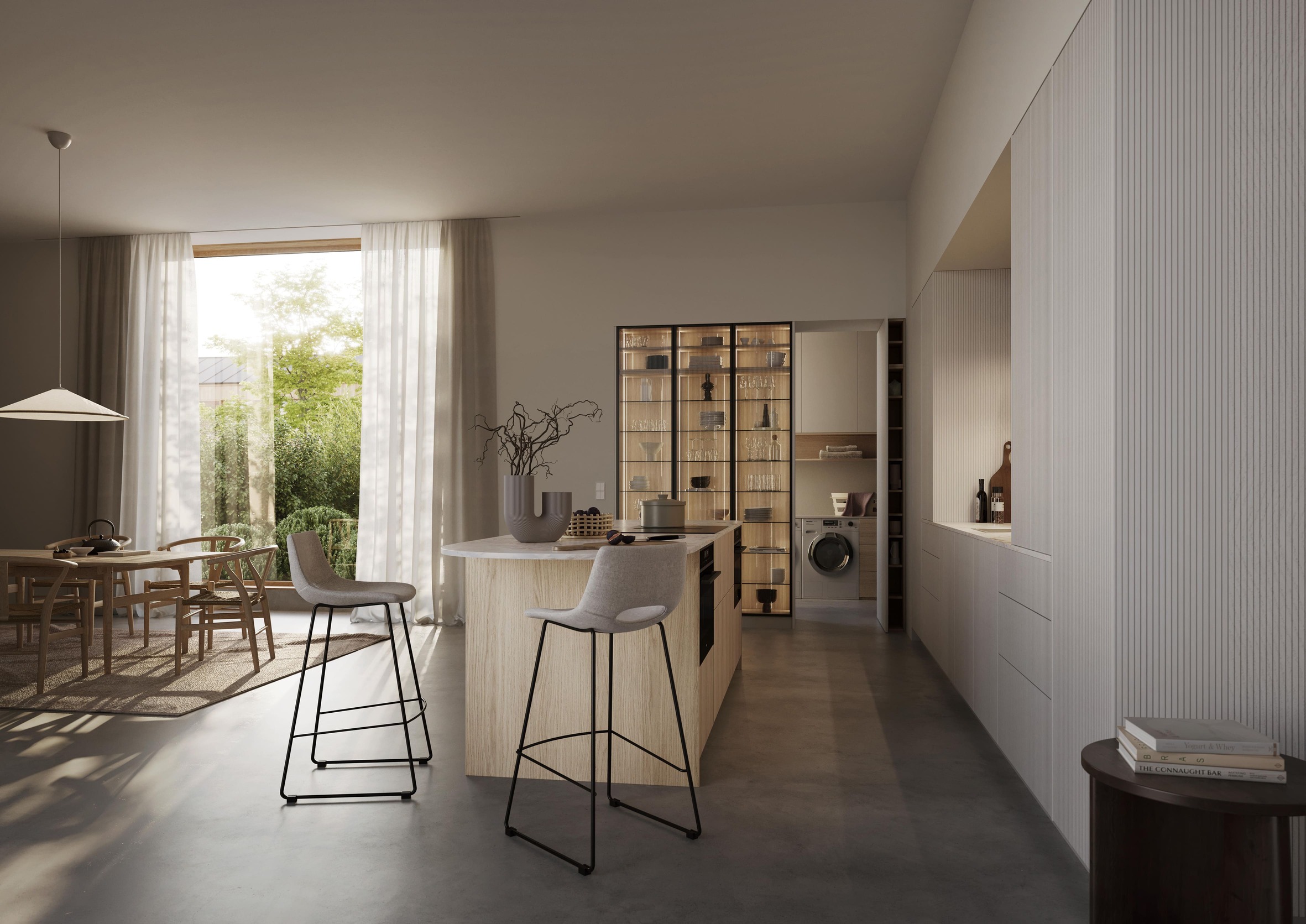
Few elements transform a kitchen quite like a well-designed island. At once a practical worksurface, a social gathering point and a design statement, the kitchen island has become the defining feature of open-plan living across West London and beyond. But it is not the right choice for every home, and getting the design wrong can compromise rather than enhance a space.
At Zen Küchen, we work with homeowners from the very beginning of the design process to understand how they cook, entertain and live. Here is our honest guide to whether a kitchen island is right for your home, and how to design one that truly works.
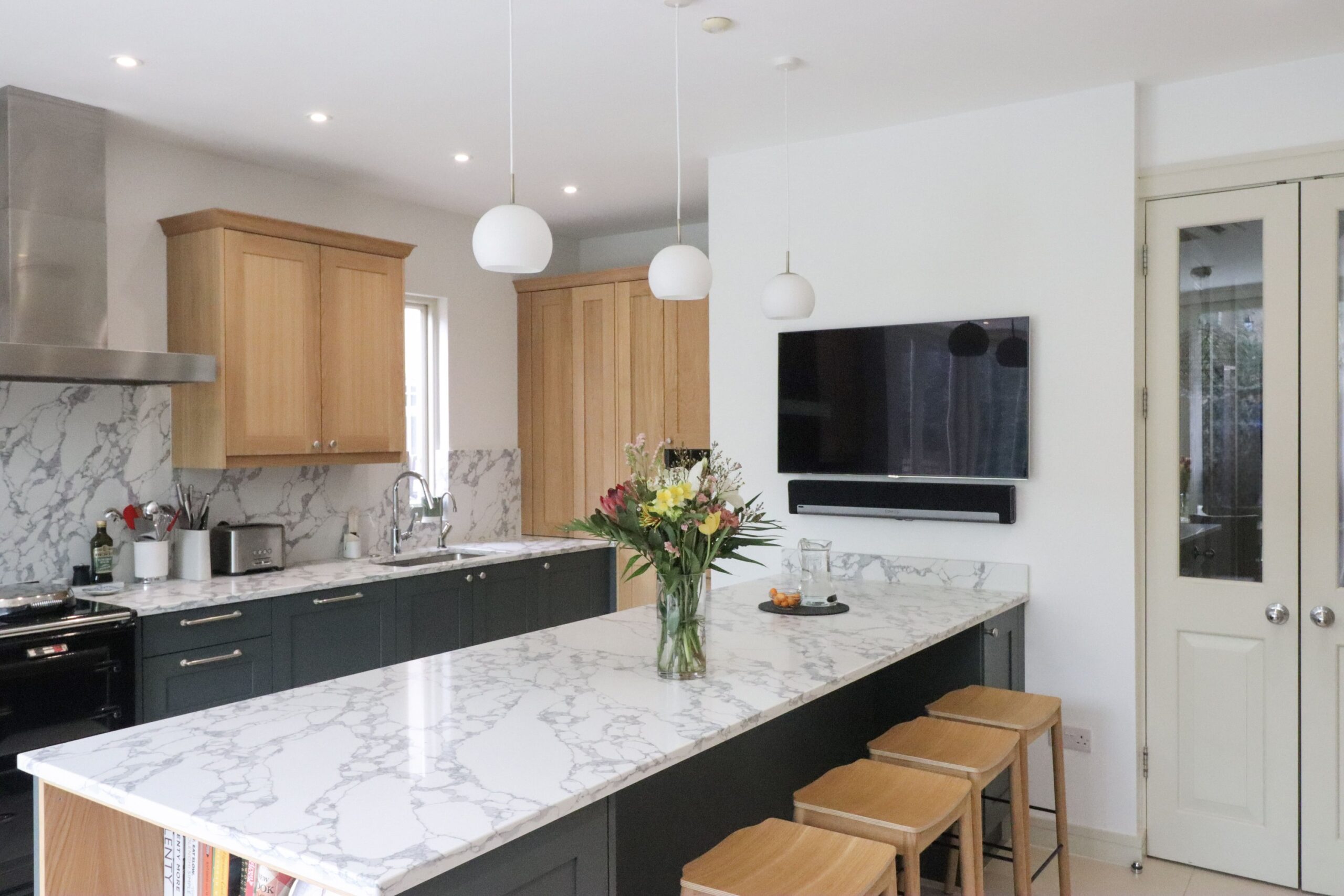
What a Kitchen Island Can Do for Your Space
A kitchen island does several things simultaneously, and that versatility is a large part of its appeal. It provides additional worktop space, often in the most useful location: the centre of the room, away from walls, where multiple people can work at once. It can house a hob, a sink, a wine fridge or additional storage. And in an open-plan kitchen and living space, it acts as a natural boundary between cooking and socialising without creating a physical barrier.
For homes across West London where the kitchen is also the social heart of the house, this last point matters enormously. An island with bar seating on one side becomes the place where family and friends naturally gather, creating a kitchen that feels genuinely welcoming rather than purely functional.
The island also offers an unrivalled opportunity for a design statement. A striking stone worktop, a beautifully detailed base unit or a change of material from the main cabinetry can make the island the focal point of the entire room. Our guide to choosing the right kitchen worktop is a useful starting point if you are thinking about using a contrasting stone on your island surface.

Space Requirements: What You Actually Need
The most common mistake homeowners make when considering a kitchen island is underestimating the space required around it. The island itself is only part of the calculation. You also need to account for the circulation space on every side, and this is where many kitchen layouts come unstuck.
As a general guide, you need at least 1,000mm of clear space between the island and any adjacent run of cabinetry or wall. This allows two people to pass comfortably and ensures the island does not feel cramped or awkward in use. For a kitchen where the island will house a hob with extraction above, you will need to factor in the extractor hood’s position relative to the ceiling height as well.
In practice, this means that an island is generally suitable for kitchens with an open-plan footprint or a room that is at least 4 metres wide. In smaller or galley-style kitchens, a peninsula, a well-placed breakfast bar or a carefully considered layout often delivers more of the benefits with fewer of the spatial compromises.
During your design consultation at Zen Küchen, we work through your floor plan in detail to establish whether an island will genuinely enhance your kitchen or whether a different approach would serve you better. You can book a showroom appointment to start that conversation.
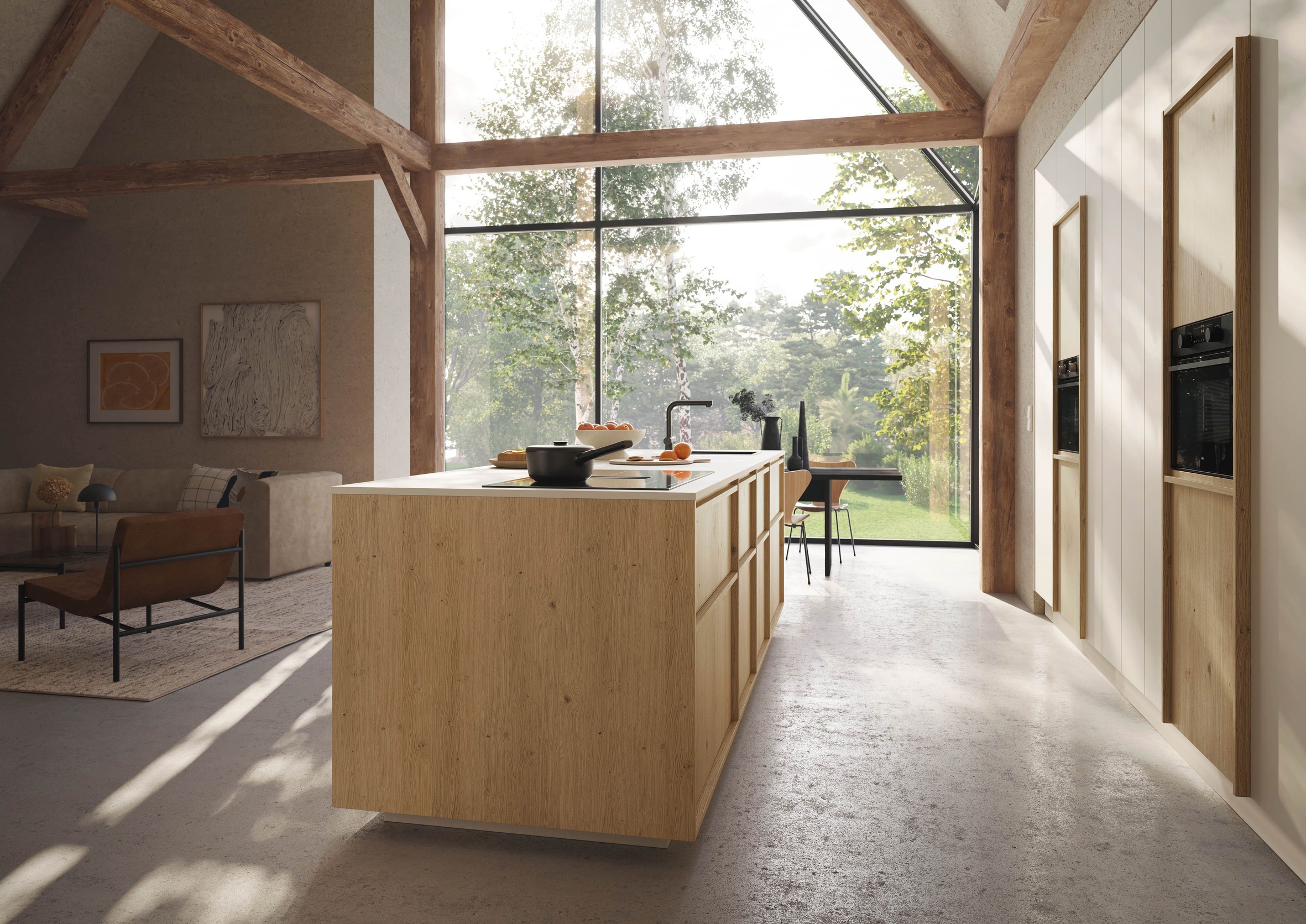
Choosing the Right Island Design for Your Kitchen Style
An island should feel like a natural extension of your kitchen, not an addition that has been dropped in as an afterthought. The design choices you make, from the cabinetry style and finish to the worktop material and seating arrangements, should all connect back to the wider room.
For a classic kitchen with painted cabinetry and traditional detailing, an island in a complementary or contrasting painted colour works beautifully. Deeper, richer tones such as navy, forest green or charcoal are particularly effective on an island base, grounding the room and adding a sense of drama without overwhelming the overall palette.
For a modern kitchen, the island offers an opportunity for a material shift: a timber veneer island base against lacquered cabinetry, for example, or a fluted panel detail that adds texture and movement to an otherwise clean-lined design. In 2026, curved island forms with softened edges are particularly on-trend, creating a more sculptural, furniture-like quality that makes the kitchen feel warmer and more considered.
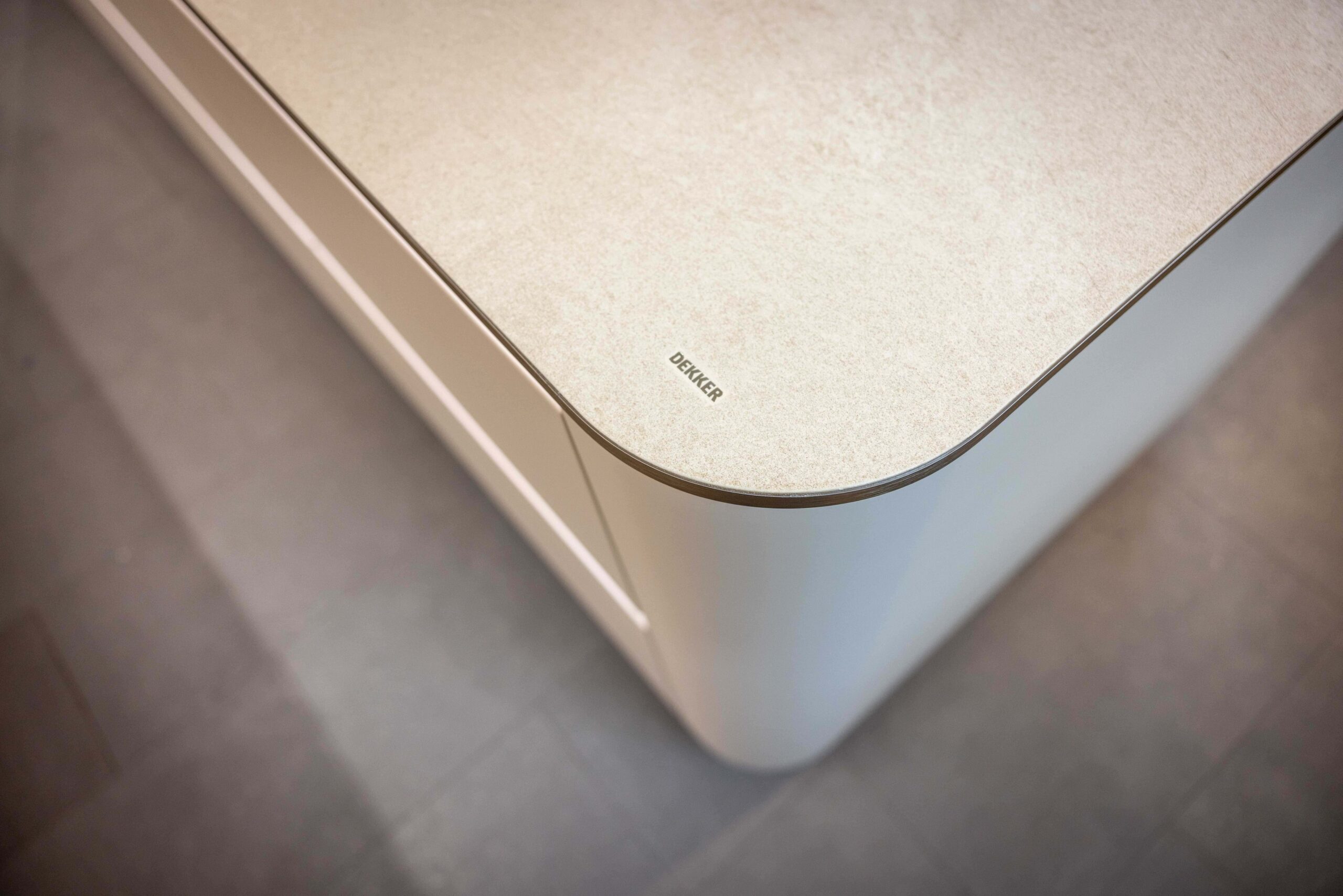
Island Worktops: Making the Right Material Choice
The worktop is arguably the most important single decision in your island design. It is the surface you will use every day, the element that draws the eye from across the room, and in many cases the most significant material investment in the entire kitchen.
For islands used primarily as a prep surface and social hub, quartz is an excellent all-round choice. Its non-porous surface is highly resistant to staining and easy to clean, which matters when you have guests sitting at the island with glasses of red wine nearby. Its consistent patterning also makes it easy to specify across a larger island surface without worrying about slab matching.
Marble is the choice for homeowners who want their island to feel genuinely luxurious and individual. The natural veining in marble creates a surface unlike any other, and a statement marble island top can become the most talked-about feature in the room. It does require more care than engineered stone, but for many homeowners, that natural beauty more than justifies the additional attention.
Granite combines natural character with exceptional durability, making it well suited to islands where heavy use is anticipated. It is intrinsically hardwearing, resistant to heat and impact, and develops a subtle patina over time that only adds to its character.
As part of the wider Zenstone group, Zen Küchen can help you select and specify the right stone for your island surface, with access to a carefully curated range of quartz, Dekton, marble and granite. Explore the full range of options in our worktop guide.

Practical Features Worth Considering
Beyond the aesthetic decisions, there are a number of practical elements worth thinking through carefully before your design is finalised.
Seating overhang is one of the most frequently overlooked details. If you want bar stools at the island, you need a worktop overhang of at least 300mm to allow comfortable legroom. This needs to be accounted for in the overall island dimensions and planned around the structural support of the worktop itself.
Integrating a sink into the island requires careful planning around drainage routes and plumbing access. It is absolutely achievable, and a sink island is an incredibly useful layout in a busy kitchen, but it needs to be incorporated from the very beginning of the design process rather than added as an afterthought.
Hob islands with overhead extraction are stunning when done well. However, they require careful consideration of ceiling height, extractor positioning and the visual weight of a large hood above the island. In rooms with lower ceilings, a ceiling-mounted extractor or a downdraft extractor integrated into the island surface can be more elegant solutions.
Storage within the island should be planned around your actual needs. Deep drawers are far more practical than base cupboards for pots, pans and large items. A combination of drawers, open shelving and perhaps a concealed wine rack or appliance space will serve most households better than standard cupboard configurations.

Start Your Kitchen Design Journey
Whether you are working with a generous open-plan space or a more modestly sized kitchen, the right island design can make a remarkable difference to how your home feels and functions. The key is to approach it as part of a considered, whole-room design rather than as a standalone addition.
At Zen Küchen, we bring kitchen design, stone expertise and installation together as one seamless service, ensuring that every element of your kitchen is planned with the same level of care. To discuss your project, email info@zenkuchen.co.uk, call 020 8332 9166, or visit our West London showroom.
Frequently Asked Questions
How much space do I need for a kitchen island?
As a general guide, you need a minimum of 1,000mm of clear walkway space on every side of the island. This ensures comfortable circulation and avoids the island feeling cramped. In practical terms, this means your kitchen room typically needs to be at least 4 metres wide to accommodate an island comfortably alongside the main run of cabinetry.
Can I add a sink or hob to my kitchen island?
Yes, both are very popular choices. A sink island creates an excellent prep and social layout, while a hob island can look spectacular with the right overhead extraction solution. Both require careful planning from the outset of the design process, including plumbing routes and extractor positioning, so it is important to discuss these with your designer early.
What is the best worktop material for a kitchen island?
It depends on how you use your kitchen. Quartz is an excellent all-round choice for its durability and easy maintenance. Marble creates a stunning, individual statement but requires more care. Granite offers natural character with exceptional hardwearing qualities. Our worktop guide covers each material in detail to help you make the right decision.
Should my island match my kitchen cabinetry or contrast with it?
Both approaches work beautifully. Matching creates cohesion and a calm, unified aesthetic. Contrasting allows the island to become a focal point and adds depth to the design. A very popular choice in 2026 is a contrasting island base, perhaps in a deeper colour or a different material such as timber, paired with a statement stone worktop that ties the room together.
How do I start planning a kitchen island with Zen Küchen? The best starting point is a conversation with our design team, either at our Richmond showroom or over the phone. We will talk through your space, your lifestyle and your ambitions for the kitchen, and work out whether an island is the right solution and how to make it work beautifully within your home. You can book an appointment online or call us on 020 8332 9166.